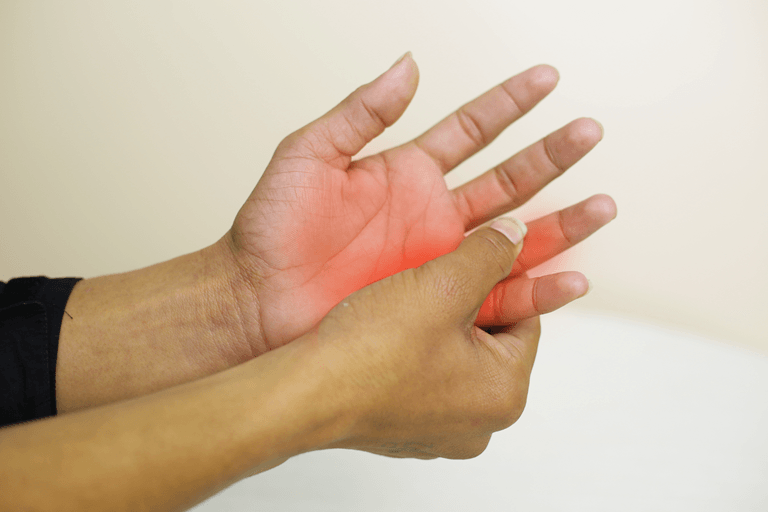
Have you ever experienced an annoying constant tingling in your feet? Or maybe your hands have become mysteriously numb. It’s easy to brush off as an inconvenience when a symptom seems as minor as that. But you actually shouldn’t ignore it. It could potentially be a sign of peripheral neuropathy. It’s a condition that affects your peripheral nerves, which exist outside your brain and spinal cord.
Peripheral neuropathy can hinder your ability to carry out day-to-day activities such as walking and handling objects. It can even limit your ability to feel temperature. Although this condition occurs most commonly in older adults and those diagnosed with diabetes, it can happen to anyone. The positive aspect of your early recognition of the symptoms is that it can lead to a slower progression of the disease and an overall improvement in your quality of life.
What is peripheral neuropathy?
The peripheral nervous system consists of nerves that carry messages between the brain and spinal cord to and from the rest of the body. This system also controls movement and certain automatic functions of the body.
When the nerves in the peripheral system become damaged, this is referred to as peripheral neuropathy. The symptoms that are commonly experienced by people diagnosed with this condition can be very different and are usually dependent on the damaged nerves. Some experiences are altered sensation, weakness in muscles and difficulty with coordination and balance.
What causes peripheral neuropathy?
There are many different causes of peripheral neuropathy. The main focus of peripheral neuropathy is determining what has caused it, because treatment is absolutely dependent on the cause.
The following list outlines several potential causes for developing peripheral neuropathy.
Diabetes
Diabetes is one of the most common causes of peripheral neuropathy. High blood sugar creates damage to peripheral nerves over time, typically affecting nerves in the legs and feet.
Nutritional Deficiencies
Peripheral neuropathy can be caused by damage to peripheral nerves resulting from a deficiency of certain vitamins such as Vitamin B and Vitamin B12.
Infections
Infection of the peripheral nerves may be caused by some viral and bacterial infections. This is typically caused by the response of the immune system to the infection.
Alcohol Abuse
Deficiencies in certain vitamins as a result of a poor diet caused by the abuse of alcohol may cause peripheral neuropathy.
Neurological Complications of Medications
Peripheral neuropathy may be the result of suppression of the immune system by certain medications.
Symptoms and Signs of Peripheral Neuropathy
Symptoms of peripheral neuropathy may occur in the feet and then the hands.
Symptoms may include the following:
-
“pins and needles” -
numbness in hands and feet -
burning or sharp pains -
nerves become sensitive to touch -
weakness in the muscles -
loss of balance -
difficulty walking or frequently tripping
Diagnosis
Your neurologist may want to have:
-
Your medical history in detail -
A physical exam and a neuro exam -
A muscle exam to check strength and reflexes -
Blood tests to check blood sugar and vitamin levels, among other things -
Nerve conduction tests to see how fast and how well your nerves send signals -
Electromyography (EMG) to see how well and how functional your muscles and nerves are -
In rare cases, your doctor may want to do an MRI or other imaging tests to see if there are other neuro issues.
These tests help your neurologist see how damaged your nerves are and help them decide how to best help you.
How Will I Be Treated?
Your treatment will depend on the damage and what is causing the symptoms. Your doctor will treat your nerve damage and help you alleviate your symptoms and prevent your nerves from being damaged any further.
If your Nerve damage is caused by diabetes, your doctor will want you to keep your blood sugar under control. If your Nerve damage was caused by a vitamin deficiency, those can be treated with vitamin supplements and a change to your diet.
Your doctor may prescribe medication to help alleviate the pain and discomfort your nerves are causing you. Your doctor will recommend the best treatment for you.
You can reduce the risk of falling by doing Physio, which will help strengthen your muscles and improve your coordination and balance.
You can also improve your wellbeing and help your nerves by ensuring you have a good diet, exercising regularly, avoiding smoking, and limiting your alcohol.
When Should You See a Neurologist?
When you have numbness, tingling, pain, or weakness in your muscles that is burning and persistent, you should see your neurologist. The damage to your nerves will continue to worsen if you do not get help for them. The sooner you get help, the better.
Emergency services should be contacted if symptoms emerge suddenly or spread rapidly. The following symptoms also require urgent attention:
-
inability to walk -
extreme weakness -
loss of bladder or bowel control
Closing Remarks
Peripheral neuropathy affects the functioning of nerves and includes issues with sensations and movement. Though the symptoms typically appear gradually, neuropathy should not be neglected. With early detection, the cause can be treated and lessen the damage to the nerves.
At Royal Care Neurosciences, our neurologists use their experience to fully assess patients with peripheral neuropathy and tailor their treatment plans. With advanced diagnostic tools and effective treatment, we assist our patients with their neuropathic symptoms and preserve their nerves.
Frequently Asked Questions
1. What symptoms will peripheral neuropathy cause first?
Symptoms will begin with tingling, disruption or numbness in the fingers and toes. These sensations can be temporary, but usually become constant.
2. Is there a treatment to cure peripheral neuropathy?
With regard to the underlying cause of the neuropathy, some patients have reported an improvement in their symptoms with early detection and treatment. For others, treatment is aimed at limiting the progression of the neuropathy and alleviating the neuropathic pain.
3. What is the reason to visit a neurologist for peripheral neuropathy?
A neurologist should be consulted when a patient has chronic symptoms of neuropathic pain that are diminishing their ability to carry out their daily activities.