Brain Tumour
Brain Tumour Treatment at Royal Care Hospital, Coimbatore
A brain tumour occurs when abnormal cells grow within the brain, forming a mass or lump. At Royal Care Hospital, Coimbatore, we specialize in comprehensive, personalized treatment for all types of brain tumour — whether it’s benign (non-cancerous) or malign (cancerous) — using advanced diagnostics, state-of-the-art technology, and a team of expert neuro-oncologists and neurosurgeons.
Symptoms of Brain Tumour
Symptoms of a brain tumour can vary depending on its size, location, and rate of growth. Some of the most commonly observed symptoms include:
- Persistent headaches: Often more severe in the morning or when lying down.
- Seizures: May manifest as convulsions or brief episodes of abnormal movements.
- Nausea and vomiting: Unexplained sickness, especially upon waking.
- Vision problems: Blurring, double vision, or partial loss of peripheral view.
- Cognitive and memory issues: Short-term memory problems, confusion, or trouble focusing.
- Weakness or paralysis: Loss of movement or weakness in limbs on one side of the body.
- Difficulty speaking or understanding: Speech may become slurring or hard to follow.
Causes of Brain Tumour
The exact cause of most brain tumour cases is unknown, but certain factors may increase the risk:
- Genetic disorders: Certain inherited conditions (such as neurofibromatosis or Li-Fraumeni syndrome) can raise the likelihood of developing a tumour.
- Radiation exposure: Previous radiation treatment to the head, particularly during childhood, may increase the risk.
- Family history: A small percentage of cases may be related to a family history of brain tumour.
- Other factors: Some viruses and a weak immune system may contribute, although this is rare.
Treatments at Royal Care Hospital, Coimbatore
At Royal Care Hospital, we employ a multidisciplinary approach to treat brain tumour. Our team comprises neurosurgeons, neuro-oncologists, radiologists, and pathologists who collaborate to develop a tailored treatment plan. Treatments may include:
Surgery:
Most cases require surgical removal of the tumour (craniotomy). Our neurosurgeons use advanced techniques to maximize tumour removal while preserving healthy brain tissue.
Radiotherapy:
Using high-energy radiation, we destroy tumour cells and slow their growth. Techniques such as Gamma Knife or Stereotactic Radiotherapy allow for precise delivery, minimizing damage to nearby healthy cells.
Chemotherapy:
Drugs are used to kill or slow the growth of tumour cells. Chemotherapy may be given after surgery or alongside radiotherapy.
Targeted Therapy:
Some tumour cells have specific abnormalities that can be targeted with drugs designed to attack only those abnormalities — reducing side effects and improving outcomes.
Rehabilitation:
Physical therapy, occupational therapy, and speech therapy help the patient regain functionality and independence after treatment.
Frequently Asked Questions
Our Specialists
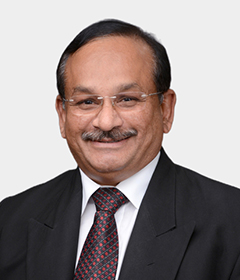
Dr. K. Madeswaran
Neuro Surgery
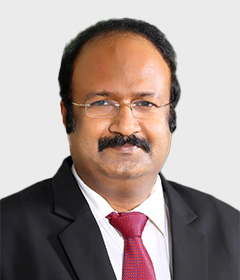
Dr. P. R. Rajkumar
Consultant Neuro & Spine Surgeon
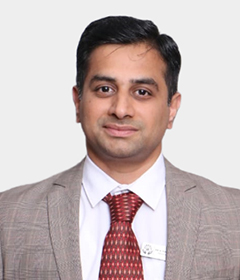
Dr. K. RagurajaPrakash
Neuro Surgery
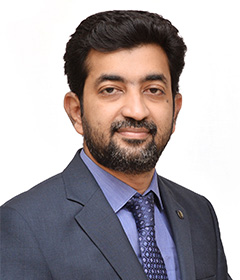
Dr. R. SenthilKumar
Neuro Surgery