When someone is diagnosed with a brain tumour, one of the first questions is typically, “What type of tumour is this?” This matters because brain tumours can vary in many different ways. One of the first classifications is whether a tumour is primary or secondary.
A primary brain tumour grows in the brain or the surrounding tissues. A secondary brain tumour also known as a brain metastasis starts somewhere else in the body, and grows into the brain.
Differentiation makes a big difference to the doctors, as it indicates what the next steps should be, in terms of diagnostics and treatment.
What Is a Primary Brain Tumour?
A primary brain tumour starts in the brain. Like all other tumours, primary brain tumours can be benign or malignant. These, however, can still have serious consequences since the brain is such a delicate organ, and a non-cancerous tumour can still be life-threatening.
There are many different types of primary brain tumours. Some grow from glial cells, some grow from other cells in the brain. Examples include gliomas, meningiomas, and schwannomas.
Primary brain tumours can, by their nature, be very unpredictable. Some can grow in an orderly manner. Others can grow in an uncontrolled manner and invade the healthy tissue.
What Is a Secondary Brain Tumour?
A secondary tumour of the brain occurs from cancer of another organ that has spread to the brain. This process is known as metastasis.
Cancers that can travel to the brain are lung, breast, kidney, and skin cancers, and more. You may know that you have cancer somewhere else, but sometimes brain cancer is found before the primary cancer is even known.
Unlike brain cancers that start in the brain, brain cancers that start somewhere else and then travel to the brain are considered secondary brain cancers.
What are the symptoms?
Both primary and secondary brain cancers usually have the same symptoms. What varies is how much the brain and surrounding areas are impacted.
These are some symptoms that can be associated with primary or secondary brain cancers:
- Persistent headaches
- Seizures
- Vomiting or nausea
- Changes in vision
- Weakness or a lack of sensation
- Inability to comprehend speech
- Difficulty speaking
- Difficulty trying to move or balancing yourself
- Issues with your memory
- Issues with your concentration
- Change in behavior or personality
Small tumours may have few symptoms. Quick growth of a large tumour may cause symptoms to show quickly. A seizure could be the first noticeable symptom of a brain tumour. Seizures and headaches may have many different causes, which means it’s not always a brain tumour.
How are primary and secondary brain cancers diagnosed?
Your doctor will talk to you about your symptoms. After that, your doctor may give you a neurological exam. This exam may include asking you to move parts of your body to check for movement and sensation. Your vision and your ability to speak may also be tested.
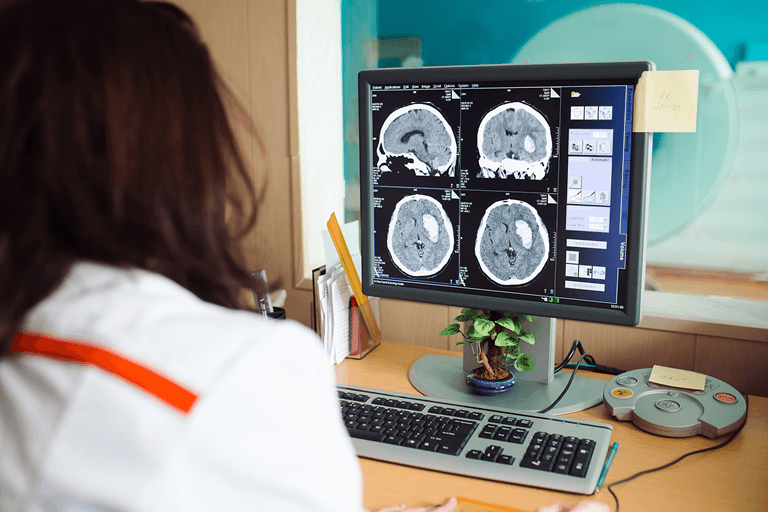
MRI is one of the first tests for suspected brain tumours. MRI images help show size, location, and characteristics of a tumour. In some cases, CT scans may also be warranted.
In the case of suspected secondary brain tumours, an examination may include X-rays and/or blood tests for cancer in other areas of the body. In cases where secondary brain tumours are suspected, examinations may include scans of the chest, abdomen and other regions as well.
In some cases, a biopsy is performed. In that case, a sample of the tumour is removed in order to identify the specific type of tumour and help identify the proposed treatment. Many factors are considered before a biopsy is performed. For example, the location and appearance of a tumour and a patient’s overall health are important considerations.
How Does Treatment Vary?
The type of treatment varies widely based on a variety of factors. Treatment varies based on whether a tumour is primary or secondary, the size and type of the tumour, the growth and behaviour of a tumour, and a patient’s overall health and wellness.
Primary brain tumours may be treated with surgery, radiotherapy, chemotherapy or other medicines based on the specific tumour.
For secondary brain tumours, treatment also depends on the first tumour. This may involve surgery and/or radiation to the brain and other control measures for the cancer elsewhere in the body.
In some cases for brain tumours and other conditions, targeted therapy or immunotherapy may be appropriate.
Not all treatment recommendations depend on whether a brain tumour is primary or secondary. Doctors consider the big picture before making recommendations.
The Difference Matters
Knowing the origin of the brain tumour aids treatment planning and provides an understanding of how a brain tumour will behave. Doctors also consider the role of the rest of the body.
Royal Care Neurosciences has the capabilities to provide patients with the appropriate neurological assessments and investigations, and assist with the next steps of brain tumour management. We take the time to analyze the unique circumstances users present to us, so we suggest you schedule a consultation with our team.
FAQs
1. Are all primary brain tumours cancerous?
No. Some primary brain tumours are not cancer.
2. Are secondary brain tumours cancerous?
Yes. A secondary brain tumour is cancer which has spread to the brain from another part of the body.
3. What role do MRI scans play in determining whether a brain tumour is primary or secondary?
An MRI scan can help a doctor understand how a tumour looks and where it is located. An MRI scan, however, may not help determine where the tumour started. Additional tests and investigations will be required.