Being diagnosed with a brain tumor is likely one of the most stressful moments in a person’s life. The diagnosis often creates an emotional overload, and an avalanche of questions and fears. What are the next steps? What treatments are likely? Is surgery a possibility? What about radiation therapy? Is it safe?
The positive news is that diagnosed brain tumors are no longer a death sentence. In modern medicine, the advanced diagnosis and therapies are customized based on the type, size, location, and the nature of the tumor – whether it is benign or malignant. Surgery and radiation therapy remain the cornerstone of brain tumor treatment in modern medicine.
In this blog, we would like to explain the steps that led to the most advanced treatment options, including the expectation for recovery and the timeline for the return to normal life, in a simple and relatable manner rather than a medical lecture.
When is Treatment Necessary for a Brain Tumor?
In most cases, brain tumors can go untreated for long periods. Some benign tumors tend to be smaller and grow at a very slow rate, alongside not causing symptoms. In such cases, the recommendation often is to perform periodic MRI scans and check-ups rather than surgical intervention.
Objectives of intervention may include tumor reduction or cessation of growth, alleviation of brain pressure, or containment of further metastatic spread.
Surgery: Often the First Option for Treating Most Brain Tumors
For many brain tumors, surgery is the initial treatment strategy, particularly if the tumor is accessible and operable. The aim is to excise the tumor while maximizing preservation of healthy brain tissue.
In what circumstances is it effective?
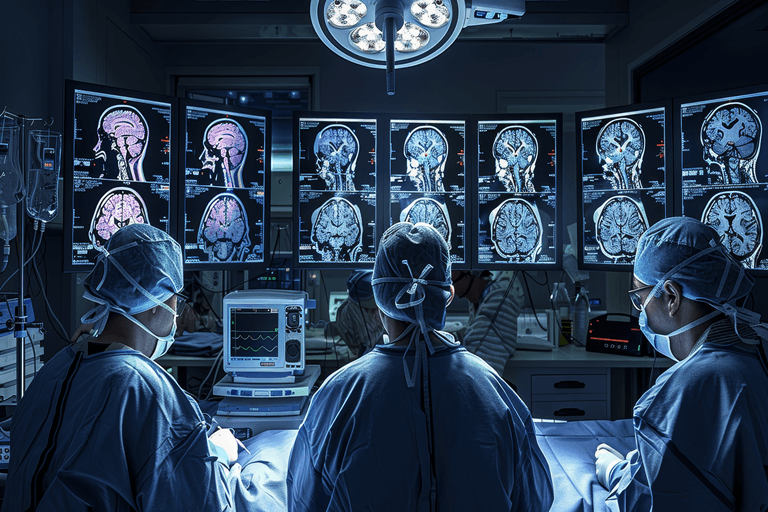
In most cases, surgery is performed by a neurosurgeon who does a craniotomy to access the tumor. The tumor may then be excised, and for many, computer-guided instruments and high-resolution images enable accurate avoidance of healthy brain areas.
Is complete excision possible in all cases?
No, it is not possible. In such cases, only partial resection is performed to alleviate symptoms or improve the efficacy of subsequent interventions.
What Does Recovery Look Like?
A number of patients remark on the fact that they feel much better immediately post-surgery, likely because the pressure in the brain has decreased.
To understand this better, consider the case of one gentleman. He had a benign tumor that was located near his optic nerve. After undergoing surgery, he reported improvements in his vision in the days after surgery.
Radiation Therapy: Targeting The Tumor Without Surgical Intervention
Radiation therapy, like surgery, is an additional method to attempt to eradicate or control the growth of tumors. Radiation therapy consists of using high energy beams to kill or damage the tumor cells. Specialized equipment is needed to concentrate the beams. It is typically used for tumors that cannot be fully removed surgically, those that have regrown or those that are located in particularly difficult regions of the brain.
What is the process?
Radiation is typically delivered in a number of separate sessions usually a few minutes each which is sometimes more beneficial than giving it all at once. Each session, a focused, tailored amount of radiation is delivered, which burns the tumor’s cells. Each tumor or cancer cell has its own unique DNA. Radiation harms the DNA, preventing the cells from growing and dividing.
Categories of radiation therapy relevant to brain tumors are:
- External beam radiation is the most popular type. This form utilizes a machine that directs radiation to the tumor from outside the body.
- Stereotactic radiosurgery is a misnomer; this procedure is not a surgical operation in any sense. It provides a very precise radiation dose in one shot, making it useful for small tumors or tumor remnants after surgical excision.
- Proton therapy is a newer form of radiation that employs proton particles rather than X-rays. It is more accurate than the former and is likely to spare more of the surrounding brain tissue, making it particularly important for children or tumors located near delicate structures.
What are the most common adverse effects?
During treatment, radiation is generally pain-free; however, it may result in fatigue, skin irritation on the scalp, hair loss in the treated region, or mild amnesia. In the case of radiation therapy, most of the time, these effects are not permanent and are alleviated by medical treatment or changes in daily routines.
An interesting fact: Because most radiation therapy sessions are short, and the treatment is well tolerated, a proportion of patients are able to continue their work, or daily routines, at the same time.
What Comes Next Post Treatment?
After surgery or radiation treatment, the patients undergo close surveillance via follow-up appointments, MRI imaging, and occasionally blood work. Furthermore, there may be an additional requirement for treatment like chemotherapy or targeted therapy, particularly for aggressive or recurrent tumors.
While recovery from the surgical or radiation treatments may entail other therapies, there is an option to combine it with rehabilitation. Such rehabilitation may include, but is not limited to, physical and occupational therapy, and speech therapy, which seeks to restore lost functions.
Everyone needs support. For many patients, family and friends, along with brain tumor support groups fill the role. Conversations with individuals who have traversed similar paths often light the darkest corners and infuse hope.
Closing Statement
The processes and navigating a brain tumor diagnosis is extremely complex and difficult. The silver lining to look for, however, is the advancements and personalization along with the treatment is far more tailored than ever. The combination of surgical and radiation therapy has, and remains, an effective approach for the management of brain tumors with a large portion of the population able to thrive and achieve their life goals post-treatment.
One of the best tools to empower yourself is to educate, and for this specific matter, seeking guidance from your doctors, asking questions, and slowly unwrapping the layers of healthcare is an extremely effective first step.
Frequently Asked Questions
1. Is it always best to pursue surgery for any brain tumor?
Moderate in answering this. It will always vary depending on the type, size, and location of the tumor. Surgery is likely to be advisable if the tumor is reachable and it is possible to avoid damaging critical brain areas. Sometimes, radiation or other treatments can be safer and more effective.
2. Is it possible to cure brain tumors with radiation therapy?
Radiation therapy is effective in shrinking or stopping the growth of many brain tumors, and in a few other cases, it can lead to a cure, especially for small or slow-growing tumors. It is, however, often administered in conjunction with surgery or other treatments for better outcomes.
3. What is the recovery timeline post brain tumor treatment?
Recovery is different for everyone. While some people may be able to return to usual activities in a few weeks, others will take a longer time, especially those who need to undergo rehab. The tumor’s type, its location in the brain, and treatment determine recovery time.