Parkinson’s Disease is a neurodegenerative disorder that affects movement and can impact daily living, such as speech and sleep. However, there is positive news, as there is currently a wide range of treatment options that can help manage symptoms, as well as get patients back to the daily activities they enjoy.
At Royal Care Neurosciences, the primary goal is to get a positive outcome from patient-centred care, as well as a positive outcome from individualized, combined medicinal therapies, which in the most extreme of cases, can include surgical treatment options.
Understanding the Complex Nature of Parkinson’s Disease
Parkinson’s Disease is a gradually progressing disorder that begins with the deterioration of certain nerve cells in the brain that produce less and less dopamine, the neurochemical responsible for smooth and coordinated movements.
Parkinson’s can be a complex disorder, as the condition can progress from mild symptoms that are not easily identifiable, to later stages when symptoms are debilitating.
Common Symptoms
Once symptoms have been identified, a treatment plan can be developed. Symptoms can be classified into non-motor symptoms and motor symptoms.
Motor Symptoms
-
Tremors begin typically in one hand. -
Slowness of movement (bradykinesia) -
Muscle stiffness (rigidity) -
Balance and posture issues -
Decreased facial expressions
Non-Motor Symptoms
-
Disrupted sleep -
Increased constipation -
Difficulty in identifying smells -
Experience of anxiety or depression -
A voice that is soft or quiet
Symptoms are different for everyone. This is why assessment and treatment is personalized.
What is the process for diagnosing Parkinson’s disease?
Diagnosing Parkinson’s disease in the early stages is quite complex due to the absence of definitive tests.
Diagnosis is an educated guess based on:
-
The history of the Disease: Determine the chronology of symptom development -
Neurological Diagnosing: Assess the patient for sensory and voluntary movement. -
Improvement Test: if the patient shows improvement while on Parkinson treatment -
Imaging: to exclude other conditions
Diagnosis in the early stages is favourable as it creates the prospect of an early commencement in interventions and a significantly better prognosis in symptom control.
What are the Possible Treatments for Parkinson’s Disease?
Interventions are primarily focused on reducing symptoms, improving the patient’s quality of life and promoting autonomy. Improvement is possible with the variety of approaches.
1. Pharmacotherapy
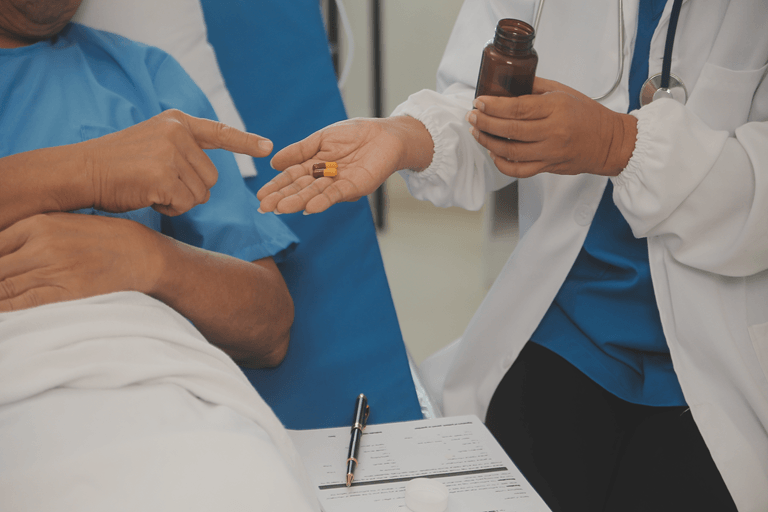
This is the initial and primary method of treatment with the advent of symptoms.
1. Levodopa
Levodopa is converted into dopamine in the brain, where it can improve movement and reduce stiffness and tremors. Levodopa is the most commonly prescribed and effective medicine.
2. Dopamine Agonists
Dopamine Agonists can be used in early stages of treatment, or instead of levodopa, to enhance its effects. These medicines mimic the action of dopamine.
3. MAO-B Inhibitors
MAO-B Inhibitors are used to prevent the breakdown of dopamine in the brain. This allows the dopamine to stay active longer.
4. COMT Inhibitors
COMT Inhibitors are used with levodopa to extend its benefits and to reduce the fluctuations in the control of the symptoms.
5. Non-motor symptoms of Parkinson’s
Additional medicines may also be prescribed to control other issues, such as mood swings, sleep changes, and bowel control.
Once this degree of complexity is reached, the medication treatment must be adjusted over time as the body will simply react differently.
2. Therapy and Rehabilitation
Therapies are used with medicines to help improve the day-to-day functions of the individual and to help maintain the mobility, independence, and quality of life of individuals.
1. Physiotherapy
Physiotherapy can also reduce stiffness and help prevent falls.
2. Occupation Therapy
This can help you to adapt to daily activities such as dressing, cooking and writing, so that you can do them in a safer and easier way.
3. Speech and Language Therapy
Therapy can assist with voice clarity, communication, and even swallowing, which can also be affected by Parkinson’s.
4. Exercises and Adjustments to Your Lifestyle
To promote mobility, try regular walking, yoga, or light exercises. Overall health improves with sleeping habits, diet, and exercise.
Surgical Options
Unwanted side effects or inconsistent relief from medication could lead to considering surgical options.
1. Deep Brain Stimulation
DBS is an established surgical technique for Parkinson’s. Electrodes are implanted in the brain and instructed to adjust the electrical signals, which regulate activity.
DBS can:
-
Reduce Tremors -
Improve Movement and Coordination -
Reduce the highs and lows caused by the medication
Not everyone can undergo DBS, and an evaluation is required.
2. MRgFUS
MRgFUS is an innovative, non-invasive technique that uses focused ultrasound waves to control tremors in areas of the brain. There are no cuts or implants, and availability is limited.
Factors Impacting Approach to Treatment
Treatment for Parkinson’s disease is unique to each individual case. Age and general health, degree and type of symptoms, lifestyle and daily activity requirements, response to medications, and the presence of other comorbid conditions are all important aspects of how the approach is taken. When considering how to treat an individual, the disease’s dynamic nature is also taken into account and treatment is adapted and changed as needed.
The Right Treatment and Support
It is certainly possible to live an active and fulfilling life with Parkinson’s disease. Follow-up appointments with physicians, as well as being physically active and having a strong support system, are also important for favouring an active and fulfilling life.
The Right Support and Treatment
The combination of therapies, medications, and surgeries in cases where these additional treatments are necessary to help control and improve the individual’s overall situation is where the focus should lie. The combination of therapies, medications, and surgeries in cases where these additional treatments are necessary to help control and improve the individual’s overall situation is where the focus should lie. Because of the long-term nature of the condition, ongoing support and personalized care are particularly important. Early diagnosis is paramount in achieving the most positive results.
Expert care and compassion are the approaches at Royal Care Neurosciences in guiding patients through all levels of their care.
Frequently Asked Questions
1. What is the most effective treatment for Parkinson’s disease?
The most effective treatment is considered to be levodopa; however, the most effective delivery of care is through a personalized plan of care in combination with other treatments.
2. When is it time to think about surgery for Parkinson’s disease?
When surgery is being considered, it is usually when medications are no longer providing temporary relief or are creating serious side effects.
3. Are there any lifestyle modifications that can assist in coping with Parkinson’s disease?
Regular physical activity, a healthy, balanced diet, sufficient sleep, and good sleep hygiene can all improve general health and aid in coping with symptoms of the disease.